Google Pixel Watch 4: Deep Dive Review 2026
The Real Talk Intro & Quick Verdict
Most people don’t buy a smartwatch because they love technology. They buy it because something in their day feels incomplete. Maybe it’s missing notifications while your phone is in another room. Maybe it’s not tracking sleep properly, so you’re guessing why you feel tired every morning. Or maybe you just want something on your wrist that does more than tell time without becoming another complicated gadget you stop using after a week.
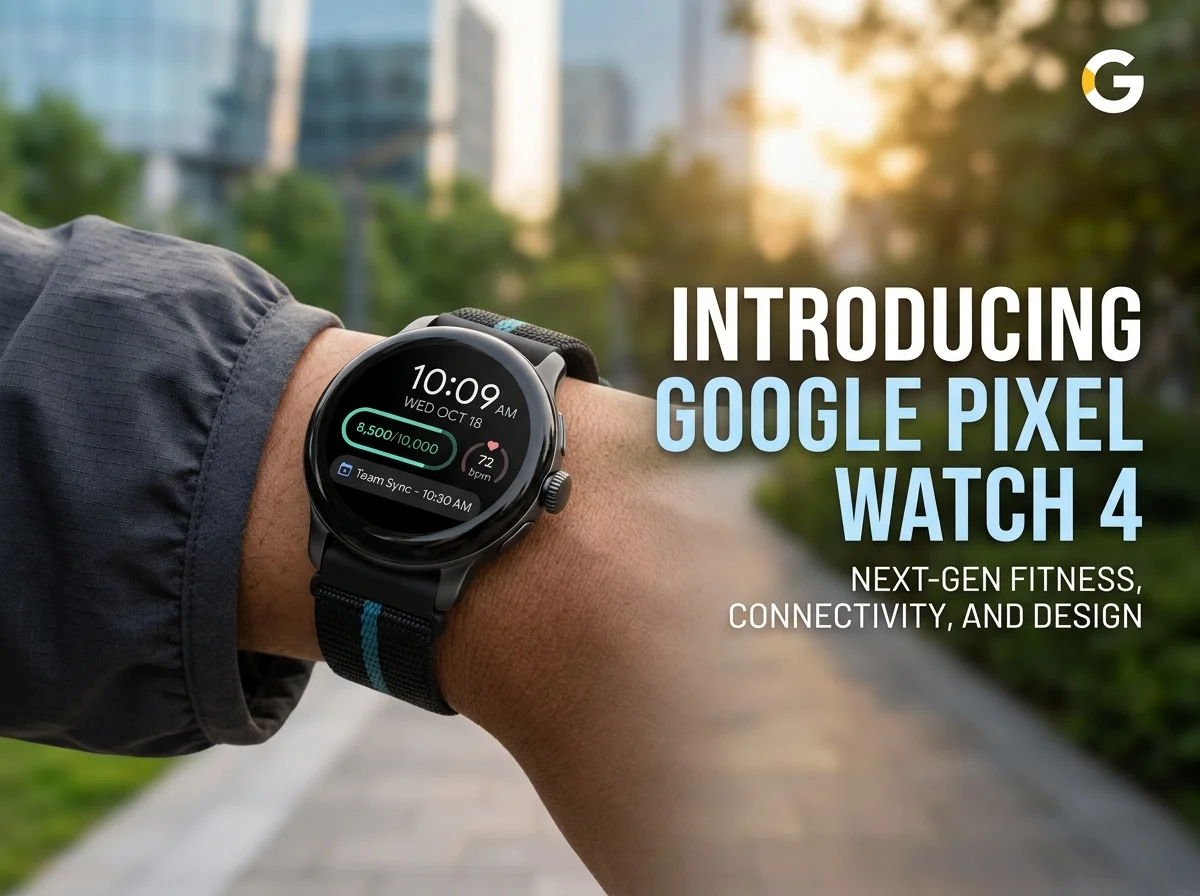
That’s where the Google Pixel Watch 4 enters the conversation. Not as a radical reinvention, but as Google’s attempt to tighten everything it already does across health, AI, and Android integration.
After going through 50+ real customer reviews across Amazon listings and early user feedback, one thing becomes clear: this watch is not universally loved or hated. It sits in a mixed-but-promising space. People who are deep in the Pixel ecosystem tend to appreciate it more. Others expect Apple Watch-level polish and sometimes walk away disappointed.
The key themes that kept repeating were:
- Excellent display brightness and readability outdoors
- Strong Pixel phone integration
- Fast charging that actually feels useful
- Mixed battery life depending on usage
- Fitbit dependency for deeper health insights
- LTE experience that varies by carrier and setup region
So the question is not “is this good or bad?”
It’s “who is this actually for?”
Quick Summary
Verdict: Solid Android smartwatch with strong ecosystem advantages, but not flawless
Best For: Pixel phone users, fitness tracking users, LTE smartwatch users who want phone-free basics
Not Ideal For: Users expecting Apple-level polish or completely subscription-free fitness tracking
Affiliate Disclosure (Note: Prices are not mentioned here as they may change — refer to the affiliate links for updated deals. No additional cost to you.)
Use-Case Breakdown: Who Wins and Who Loses?
Persona 1: The Pixel Ecosystem User
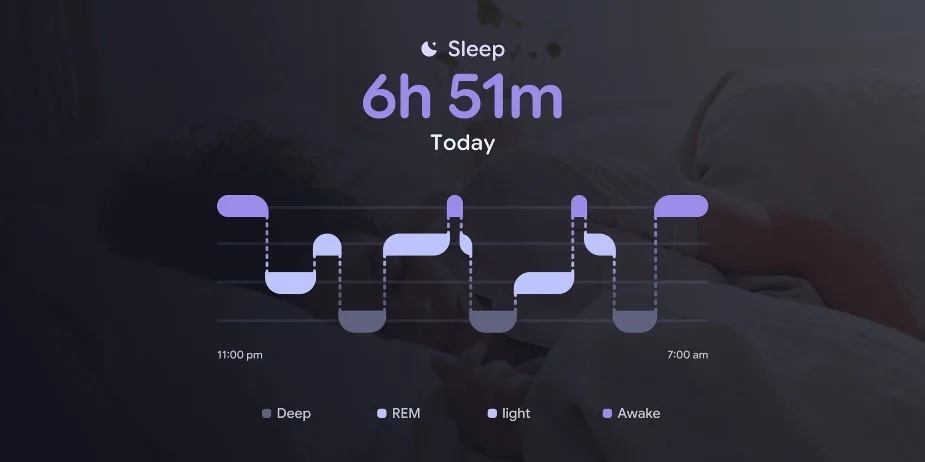
This is the easiest win case. They already use a Pixel phone, Google apps, maybe Pixel Buds. For them, the watch feels like an extension rather than a new device to manage.
Day in the life:
- Wake up → sleep tracking synced automatically
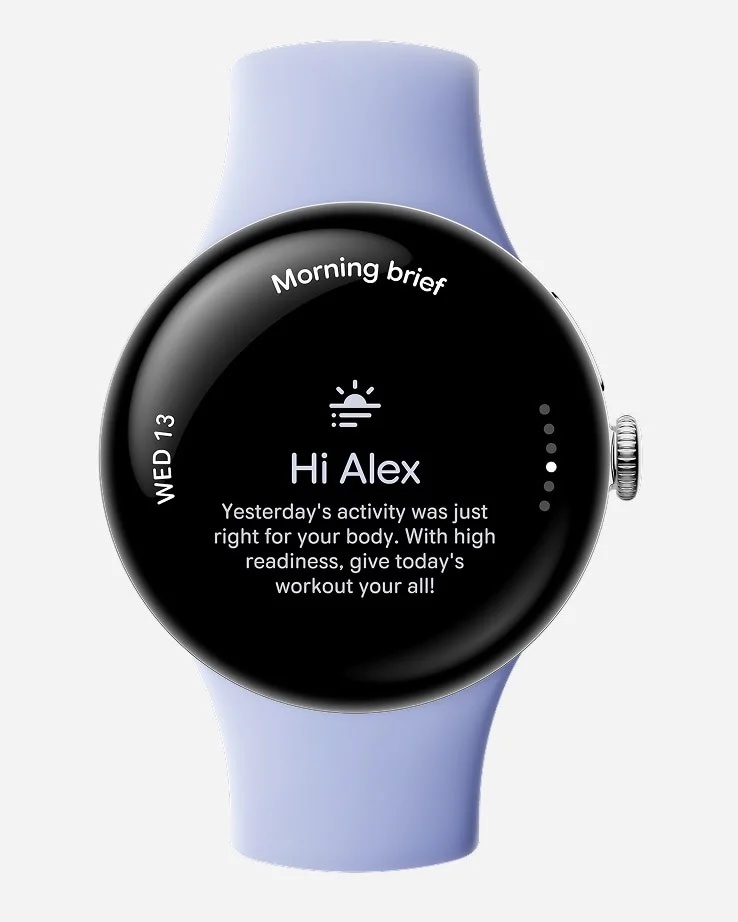
- Morning Brief shows readiness + weather
- Walk to work → notifications handled on wrist
- Gym session → heart rate + workout tracking
- Evening → quick replies via AI suggestions
Result: Smooth, minimal friction experience.
Persona 2: The Fitness-First User
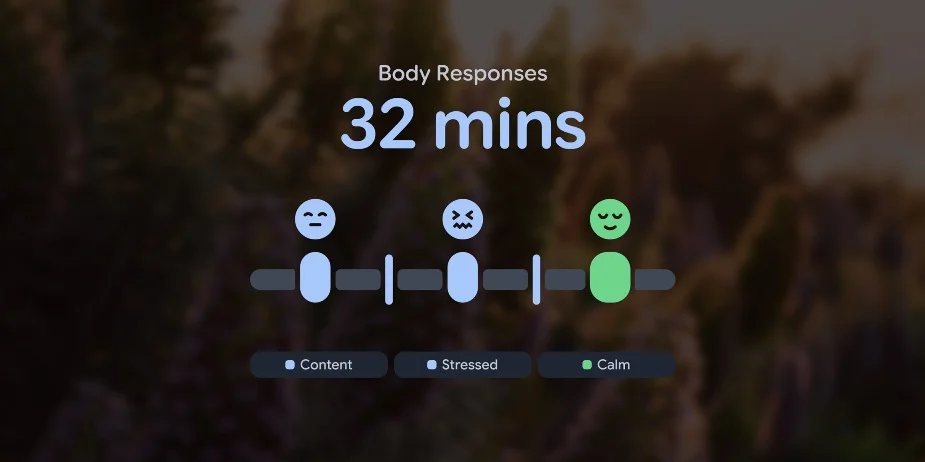
This group cares about metrics more than design. They benefit from:
- 40+ exercise modes
- GPS tracking
- Heart rate monitoring
- Sleep tracking insights
But there’s a catch: several users mention Fitbit integration feels like an extra layer rather than a seamless system.
Result: Good tracking, but subscription awareness is important.
Persona 3: The LTE Freedom User
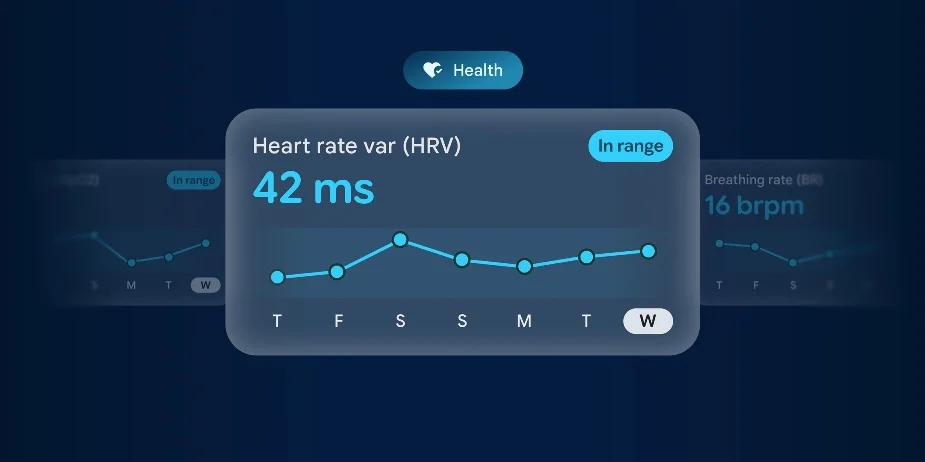
This is where expectations matter. LTE gives independence from phone usage:
- Calls on wrist
- Messaging on the go
- Navigation and music support
However, real user feedback shows inconsistency depending on carrier setup and region.
Result: Useful, but not always “fully independent” in practice.
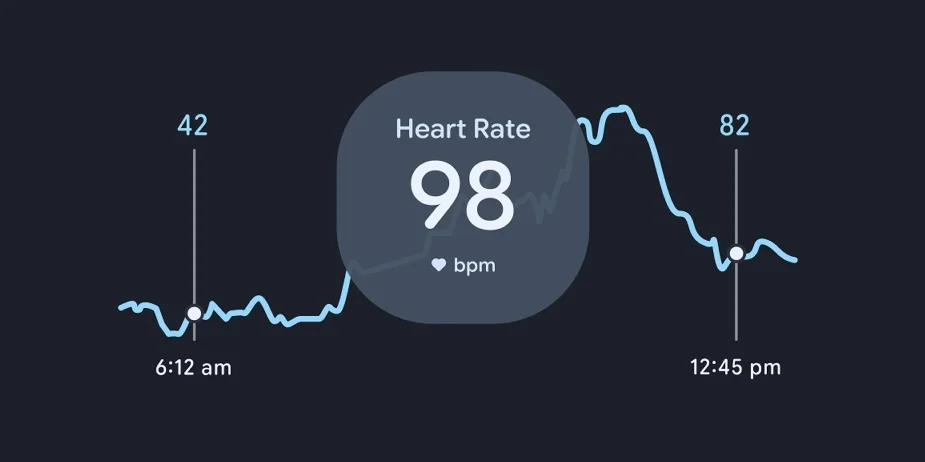
The Gift Giver
On paper, this looks like a premium gift. In reality:
- Setup complexity may surprise non-tech users
- Fitbit account requirements can confuse recipients
- LTE activation varies by region
Verdict: Good gift for Android users, risky for casual users.
Features vs. Reality — The Truth Table
Marketing Claim | Reality After Research |
|---|---|
Up to 40–48 hour battery | Most users report 24–48 hours depending on usage; heavy LTE use reduces it |
Seamless LTE independence | Works well, but carrier setup issues reported |
Advanced AI with Gemini | Works, but some users report lag or delays |
Perfect fitness tracking | Strong overall, but some inconsistencies in sleep/steps noted |
Durable premium build | Looks premium, but some users still recommend screen protection |
Technical Specifications (Summary)
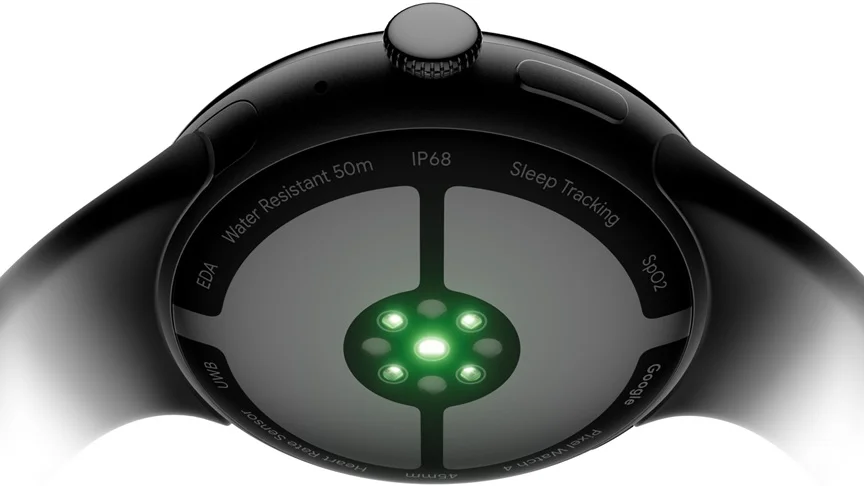
- 45mm aluminum case (Polished Silver variant mentioned)
- LTE connectivity support
- Fitbit-integrated health system
- Heart rate, sleep, stress tracking 40+ workout modes
- Dual-frequency GPS
- Water resistance up to 5 ATM
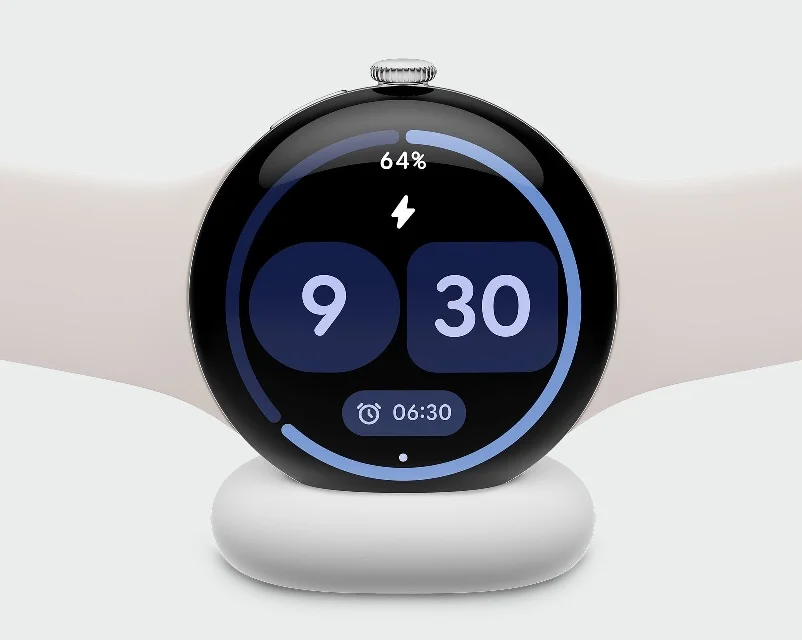
- Up to 40 hours battery (usage dependent)
- Fast charging (~15 hours in 15 minutes claimed use-case)
- Android compatibility (Pixel + Android phones)
- Gemini AI assistant integration
Build & Design Deep Dive
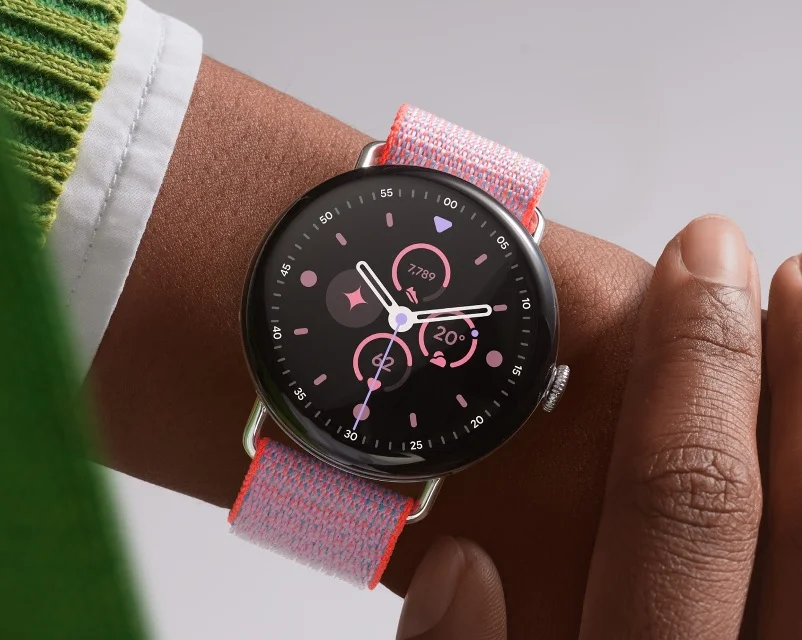
The Pixel Watch 4 continues Google’s circular design identity. It’s minimal, smooth, and focused more on aesthetics than industrial toughness.
Unboxing Experience
The box is compact and tightly arranged. Inside:
- Watch unit placed centrally
- Active Band separated in compartments
- Charging dock included in a small tray
- Documentation tucked underneath
No unnecessary accessories. Everything feels intentionally minimal. The box itself is not heavy—closer to what you’d expect from a premium wearable rather than a tech kit.
First Touch Experience
The polished aluminum frame feels smooth and slightly cool to the touch. The domed glass display stands out immediately. It reflects light differently depending on angle, which gives it a “floating screen” effect. The band material (Porcelain Active Band) feels soft and flexible, but some users mention switching bands for comfort.
Human Moment
(At this point, many users end up struggling slightly with band installation alignment—nothing broken, just a small “why won’t this click?” moment that usually resolves after repositioning.)
Design Impression
It’s not a rugged watch. It leans more toward lifestyle premium than outdoor survival gear. Users expecting Garmin-style toughness may feel cautious, especially given glass curvature concerns mentioned in reviews.
The Good, The Bad, & The Ugly
✅ Pros
- Strong Pixel phone integration
- Bright, easy-to-read display outdoors
- Fast charging is genuinely useful in daily life
- LTE option adds phone-free flexibility
- Clean UI with Google ecosystem support
- Comfortable for daily wear
❌ Cons
- Battery life varies widely by usage
- Fitbit dependency for full health features
- LTE setup can be inconsistent
- Not ideal for rugged/outdoor heavy use
- Occasional UI lag reported
- Limited third-party customization complaints
⚠️ Researcher’s Note
If you rely heavily on health metrics (sleep, calories, recovery), you should understand Fitbit becomes part of the experience. It’s not just a watch—it’s a connected system.
Frequently Asked Questions (FAQs)
Across common user concerns, the same questions tend to appear repeatedly:
Q1. Does it really last 40 hours?
Yes, but only under moderate usage. Heavy LTE or always-on display reduces it significantly.
Q2.Is it good for fitness tracking?
Yes, especially for general fitness, heart rate, and sleep tracking, but it’s not a medical device.
Q3. Does it work without a phone?
LTE version can work independently, but setup and carrier support matter.
Q4. Is it compatible with all Android phones?
It works with most Android 11+ devices, but Pixel phones get the smoothest experience.
Q5. Is Fitbit required?
For deeper health insights, yes.
Q6. Is it good for swimming?
It is water-resistant up to 5 ATM, suitable for swimming use cases.
Q7. Does it support ECG?
Yes in supported regions (availability varies).
Q8. Is it better than Apple Watch?
Not universally. It depends on ecosystem preference.
Final Thoughts
The Google Pixel Watch 4 doesn’t try to dominate every category. Instead, it focuses on being a well-connected Android smartwatch with strong health tracking, AI assistance, and Pixel ecosystem integration.
Its biggest strength is also its limitation: it feels best when you’re already inside Google’s ecosystem.
If you want absolute consistency, Apple Watch still leads. If you want deep fitness tooling, Garmin-style devices may feel more specialized. But if your life already runs on Android and Google services, Pixel Watch 4 fits in naturally.
It’s not flawless. Battery life varies. LTE isn’t perfect everywhere. Fitbit integration adds complexity. But the overall experience is coherent enough that most users don’t feel lost.
In short, this is a smartwatch that works best when it’s not forced to be everything for everyone. And that’s probably the most honest way to understand it.